How cosmetics shipping from China to the USA works
Shipping cosmetics from China to the USA most often moves as LCL sea freight: your supplier’s goods are picked up or collected, consolidated into a shared container, sailed to a US port, and delivered to a warehouse or commercial address. The forwarder runs the transport; you own the product compliance. This guide covers how the shipment is built, what the carrier checks before a booking, and what to prepare so the cargo moves without surprises.
The cargo review: what gets checked before booking
A responsible booking starts with a cargo review, not a flat yes. Four things are confirmed:
- Product category – what the goods actually are, by formula and packaging.
- Written scope – exactly what the forwarder will and will not handle.
- Handover documents – the invoice, packing list, and any needed filings.
- US receiving conditions – the delivery address, appointment rules, and any access limits.
This step turns “can you ship it?” from a guess into a checked process. Items such as perfume, alcohol, and aerosols are reviewed on their own path because of flash point and pressure, not on the product name.
Routing by product type
Different cosmetics need different handling, so the routing splits by type:
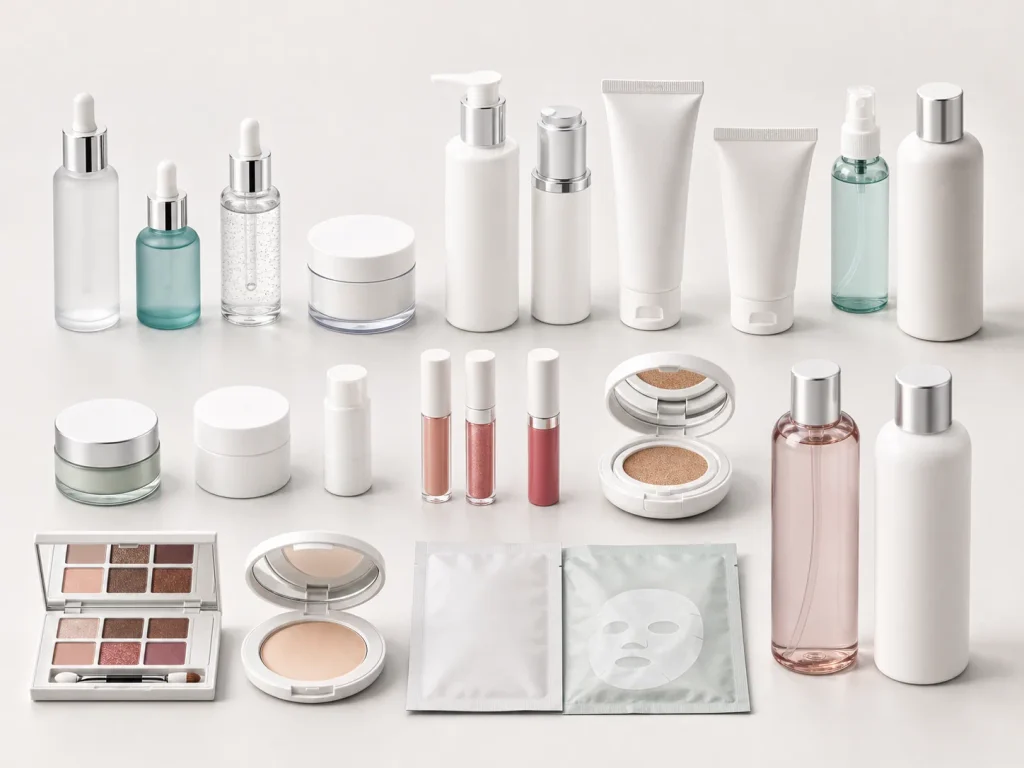
- Skincare, makeup, personal care – general cargo once packed, planned through the skincare and makeup service.
- Perfume, alcohol-based, aerosols – a separate restricted-item review with documents and packing rules.
- Mixed or wholesale orders – consolidated from several suppliers before the container is built.
The split exists because a glass serum and a pressurized hairspray do not share one packing method, and the carrier needs to know which is which before space is confirmed.
What to prepare before you request a quote
- The product name and a short description.
- Any ingredient notes that affect transport (alcohol content, pressurization).
- Per-case dimensions and weight, and the total volume.
- The China pickup city and the US delivery ZIP.
- Whether the order pulls from one or several suppliers.
Compliance sits beside logistics: FDA rules for cosmetics imports cover MoCRA and labeling, which the importer handles before the goods sail. Getting both sides ready early is what keeps a booking on schedule.
What a freight forwarder does and does not do
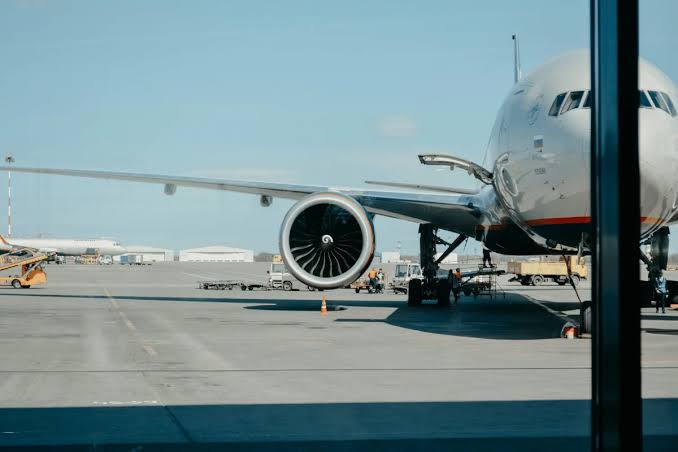
The forwarder books space, consolidates cargo, manages the ocean leg, and helps with the shipment paperwork. It does not replace the importer’s responsibility for product formulation, labeling, or US regulatory clearance, and it does not act as the Responsible Person. That boundary is stated up front so expectations stay realistic. Good packing still decides whether the goods arrive intact.
Frequently asked questions
How do you ship cosmetics from China to the USA?
Most cosmetic shipments move as LCL sea freight. Goods are picked up or collected from the supplier, consolidated into a shared container, sailed to a US port, and delivered to a warehouse or commercial address. The forwarder manages the transport; the importer handles product compliance.
What does a freight forwarder check before booking cosmetics?
The carrier reviews the product category, the written scope of what it will handle, the handover documents, and the US receiving conditions. Items such as perfume, alcohol-based formulas, and aerosols are reviewed separately because of their flammable or pressurized nature.
Can a freight forwarder handle my FDA registration?
No. Facility registration, product listing, and the US Responsible Person are the importer’s compliance tasks under MoCRA. A forwarder arranges the booking and cargo handling, not the regulatory filings.
How should I route skincare, makeup, and restricted items?
Skincare, makeup, and personal care move as general cargo once packed. Perfume, alcohol-based cosmetics, and aerosols follow a separate restricted-item review, so they are planned on their own path rather than mixed into a standard booking.
What information do I need to request a quote?
Prepare the product name, any ingredient notes that affect transport, per-case dimensions and weight, the China pickup city, and the US delivery ZIP. The more precise the details, the more accurate the quote and the fewer surprises at the terminal.
Does the forwarder take responsibility for product compliance?
No. The forwarder does not replace the importer’s responsibility for product formulation, labeling, or US regulatory clearance. Its role is to move compliant cargo safely and document the shipment correctly.