Why perfume and aerosols are not ordinary cosmetics cargo
Many cosmetics move as general cargo, but perfume, alcohol-based cosmetics, and aerosols are reviewed separately because of their flammable or pressurized nature. Whether a product can be shipped depends on its formula and packaging (flash point, alcohol content, and pressure form), not on the product name.
This guide explains the three restricted groups, the documents a carrier needs, and how they should be packed before a US-bound booking is confirmed.
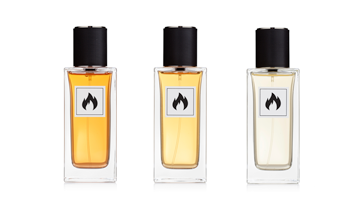
Three groups, three different checks
- Perfume – alcohol-based, reviewed by alcohol concentration tier and how the bottle is sealed.
- Alcohol-based cosmetics – toner, aftershave, and facial sprays where the alcohol content drives the check.
- Aerosols and pressurized packs – hairspray, dry shampoo, and similar cans, treated as pressurized dangerous goods.
The deciding factors are the same across the group: flash point, alcohol percentage, and whether the item is pressurized. A product that looks harmless on a shelf can still need a dangerous-goods review once its formula is known.
How the carrier decides if it can move
A forwarder does not judge a restricted product from its name. It reads the Safety Data Sheet (SDS) and the physical details, then applies transport classification. If the flash point is low or the item is pressurized, the goods may need a formal acceptance decision and a specific packing class. This is why our cosmetics shipping process starts with a cargo review instead of a flat yes or no.
Documents à préparer avant de demander un devis
- The Fiche de données de sécurité (FDS) with flash point and hazard statements.
- The ingredient list and alcohol concentration.
- Container capacity and whether it is a pressurized pack.
- The unit sealing method (cap, crimp, pump lock).
These details also connect to product compliance. Alcohol-based and colored products can carry labeling duties under FDA requirements, so confirm both the transport and the compliance side before production.
Packing and marking
Restricted items are packed in layers: each unit is sealed, set in secondary absorbent material, and placed inside a strong outer carton that is marked for its contents and kept separate from general cargo. The exact method follows the flash point and whether the item is pressurized. For ordinary liquids and creams that are not restricted, the same care applies through leak-proof packing methods sans les étapes relatives aux marchandises dangereuses.
What can and cannot be accepted
Acceptable cases are documented, sealed, and backed by an accurate SDS that fits the carrier’s rules. Unacceptable cases include missing or inconsistent SDS, containers that cannot be sealed for transport, or products whose flash point or pressure form the carrier will not handle on the lane. A forwarder that tells you upfront what it cannot take is more useful than one that accepts cargo and loses it at the terminal.
Leave time for the review
Restricted items add lead time. The SDS and packing plan must be reviewed and accepted before space is confirmed, so send the documents during your preparation, not with the ready-to-load cargo. When the paperwork is complete, demander un devis with the SDS attached so the booking can be planned around the real hazard profile.
Foire aux questions
Peut-on expédier du parfum de Chine vers les États-Unis ?
Perfume can often be shipped, but only after a cargo review. Shippability depends on the alcohol concentration and how the bottle is sealed and packaged, not on the word “perfume” alone. A forwarder will confirm acceptance once it sees the SDS and flash point.
Pourquoi les aérosols font-ils l'objet de restrictions dans le cadre du fret maritime ?
Les aérosols sont des récipients sous pression. Conformément à la réglementation en matière de transport, ils sont considérés comme des marchandises dangereuses, car ils peuvent subir une augmentation de pression ou se rompre. Cela implique un conditionnement et un marquage spécifiques, ainsi que, souvent, une décision officielle d'acceptation en tant que marchandise dangereuse avant la réservation du conteneur.
De quels documents ai-je besoin pour expédier des produits cosmétiques à base d'alcool ?
Vous devez fournir la fiche de données de sécurité (FDS), la liste des ingrédients, la concentration en alcool ou le point d'éclair, la capacité du conteneur et le mode de fermeture. Ces informations permettent au transporteur de déterminer si les marchandises sont acceptables et comment elles doivent être emballées.
Quelles sont les règles relatives au point d'éclair applicables à l'expédition de parfums ?
Le point d'éclair est la température à laquelle le liquide dégage suffisamment de vapeurs pour s'enflammer. Plus le point d'éclair est bas, plus les conditions de manutention sont strictes. Le transporteur se base sur le point d'éclair indiqué dans la FDS pour déterminer l'acceptation du transport et la classe d'emballage ; une FDS précise constitue donc le point de départ.
How should perfume and aerosols be packed?
Each unit is sealed, then placed with secondary absorbent material inside a strong outer carton that is marked for its contents and kept separate from general cargo. The exact method depends on the flash point and whether the item is pressurized.
How long does the review take before booking?
Budget extra lead time. Restricted items need a documented review of the SDS and packing plan before space is confirmed, so send the documents early rather than alongside the ready-to-load cargo.
Planifiez l’expédition de vos produits cosmétiques
Envoyez-nous les détails de votre cargaison et obtenez un devis écrit, incluant des vérifications de conformité avant l’expédition.
Obtenez un devis gratuit